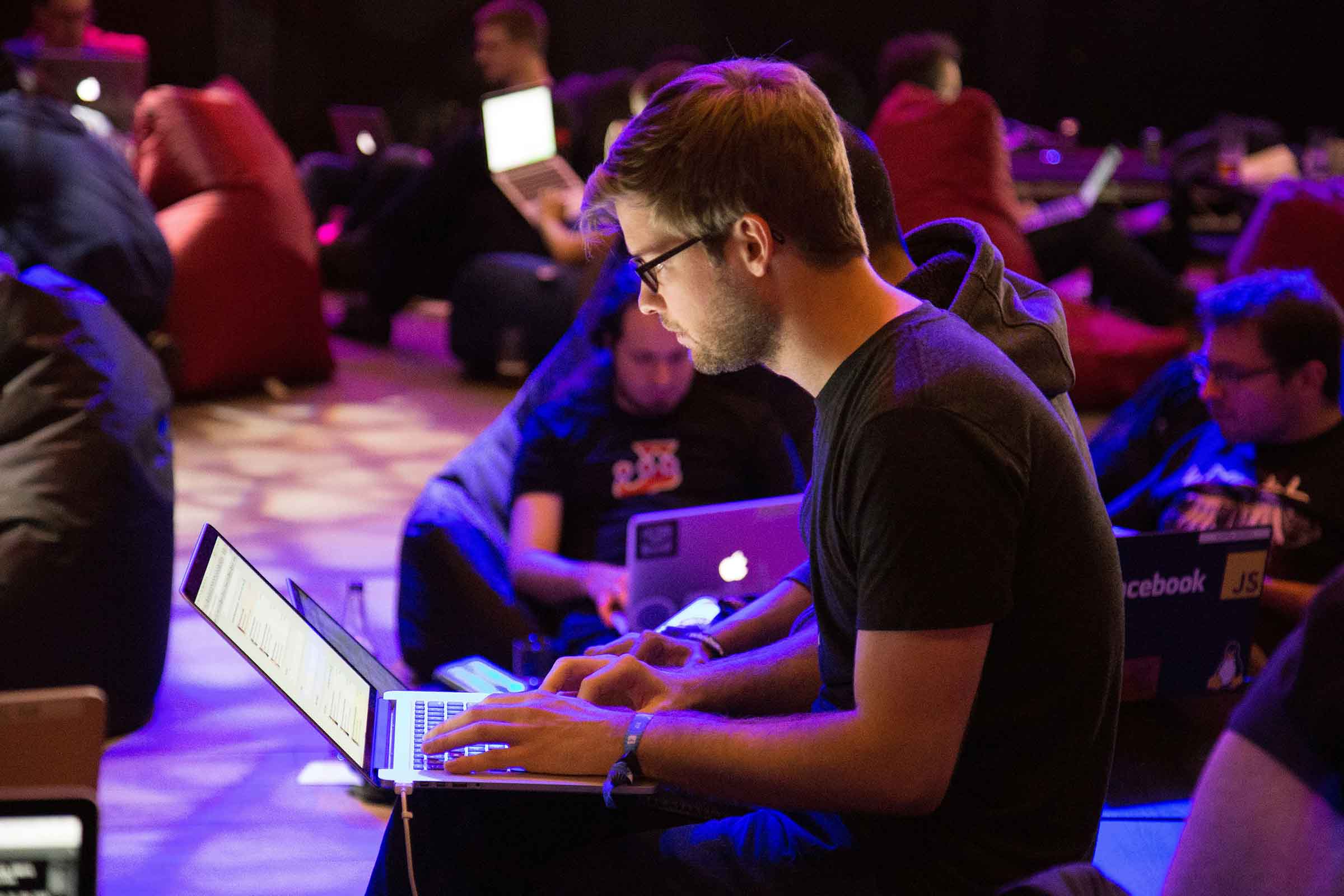
Non-technical founders can bring their SaaS ideas to life by focusing on strategy, user experience, and assembling the right technical resources.
For many would-be SaaS entrepreneurs without coding skills, the journey from idea to product can seem daunting. Conventional wisdom once suggested that "real" tech startups require a programmer at the helm, but that myth is steadily being debunked. In fact, research by Cowboy Ventures found that about 40% of today's unicorn startup co-founders come from non-technical backgrounds – a huge jump from a decade ago. Successful companies like StyleSeat (Melody McCloskey), Tinder (Sean Rad), and Airbnb (Brian Chesky) were all started by founders who didn't write code. As HubSpot's Dharmesh Shah famously put it, "As a non-technical co-founder your job ranges from product to hiring to taking out the trash." In other words, you can absolutely lead a SaaS venture without coding – you just need to double-down on your strengths and leverage available resources for the rest. This step-by-step guide will walk you through how to go from concept to minimum viable product (MVP) launch as a non-technical founder, with real examples, expert tips, and encouragement along the way.

Step 1: Refine Your Idea with Market Research
Every great product starts with a well-defined problem and a clear market need. As a non-technical founder, your first job is to validate and refine your SaaS idea. This means researching the market, understanding your target customers' pain points, and analyzing existing solutions or competitors.
- Identify the Pain Point: Talk to potential users and industry experts to ensure your idea addresses a real problem. For example, Melody McCloskey conceived StyleSeat after struggling to book salon appointments – she knew the pain point first-hand. Engage in interviews, surveys, or online forums related to your domain to gather insights.
- Research the Market: Investigate how people currently solve the problem. Are there competitors or alternatives? If so, what are their strengths or gaps you could fill? A strong grasp of the landscape will help you position your SaaS uniquely.
- Define Your Core Value Proposition: Based on your research, narrow down the key value your product will offer. Keep it simple and focused. Remember, an MVP should do one or a few things very well. You don't need a million features at the start – just the right one(s) that solve the core problem.
Non-technical founders often excel in areas like understanding customer needs and business strategy. In fact, there are many crucial tasks beyond coding that you, as a founder, will handle to drive the idea forward – from market research and sales to partnerships and fundraising. Use this to your advantage: while others worry about tech stacks, you can be out validating the idea and securing interest from early adopters or even future investors. The goal of Step 1 is to ensure your concept is grounded in reality and has a viable audience willing to pay for a solution.
Step 2: Prototype Your Vision (No-Code Tools & Wireframes)
Once you've validated the idea, it's time to bring your concept to life visually. Even if you can't code, you can (and should) create a preliminary prototype or mockup of your SaaS product. This could be as simple as sketches on paper or as polished as a clickable design using no-code tools. Prototyping serves two big purposes: it helps you clarify your own thinking and provides a tangible depiction of your vision that you can share with others (potential co-founders, developers, or investors).
- Start with Sketches or Wireframes: Don't worry if you're not a designer – basic wireframing tools or even pen-and-paper sketches work wonders. "I learned how to use Photoshop and built mockups of the app," says Alex Turnbull, a non-technical founder of Groove, about his early prototype. "It bridged the gap between the thoughts in my head and my co-founder's understanding of them, which meant we saved a lot of time on changes and iterations early on." His example shows that investing a bit of time in simple design skills can prevent costly miscommunications later. Consider using beginner-friendly tools like Balsamiq or Miro to sketch out your app's screens and user flows.
- Leverage No-Code Platforms for Interactive Prototypes: Thanks to the no-code movement, you can build a functional prototype or MVP without writing a single line of code. Platforms like Bubble, Webflow, Adalo, or Glide allow you to create web and mobile app interfaces using drag-and-drop components. For instance, Bubble.io has empowered plenty of non-tech founders to launch real SaaS products by visually configuring logic and design instead of coding. An interactive prototype (even if not fully scalable) can be invaluable for demonstrating your idea's potential to stakeholders and early users.
- Aim for Core Functionality: In creating your prototype, focus on the core user journey. What is the primary task or outcome your user needs? Design the screens and steps to support that, and ignore "nice-to-have" features for now. A pared-down prototype is easier (and faster) to build. You can always expand later based on user feedback.
Prototyping as a non-technical founder is all about communicating your vision clearly. Perri Gorman, co-founder of email startup Unroll.me, noted that having a good front-end prototype made it easier to attract technical talent: "If a prototype looks good from the front end, you'll have an easier time persuading talent to help you work on the back end. With visual designs, it came alive and engineers and others started to see what I was building." In short, a decent mockup or demo can serve as your "translator," converting the idea in your head into something tangible and exciting for others.
Step 3: Choose Your Development Path (Hire, Partner, or No-Code MVP)
With a clear idea and prototype in hand, the next challenge is building the actual MVP. As a non-technical founder, you have a few routes to consider, each with pros and cons:
a. Hire Developers or a Development Agency
One common approach is to bring in professional developers to build your SaaS. You can hire a freelance developer, bring on a technical employee, or contract a software development agency. If you have some funding (or personal savings), this route can give you access to experienced talent who can translate your prototype into a working product. In fact, many successful non-technical founders started by hiring a development team rather than waiting for a technical co-founder. According to one startup consultancy, "Most successful founders hired a custom software development company to help develop their apps and then hired a co-founder along the way." Using an agency or contractors can jumpstart development while you maintain control over the vision and continue handling the business side (marketing, customer development, etc.).
When evaluating developers or agencies, be sure to check references and portfolios. Look for teams that have built similar products or have good client feedback. Since you may not be able to assess their code quality directly, focus on their track record, and consider asking a technical advisor (if you know one) to help vet candidates. Clear communication is key (more on that in Step 4), so lean towards developers who can explain things in plain language and understand your product goals. Our MVP development services are specifically designed to help non-technical founders bring their ideas to life with clear communication and proven processes.
b. Partner with a Technical Co-founder
Another path is finding a co-founder or partner with coding skills who believes in the idea as much as you do. This is often ideal (when it works out) because a true partner is invested in the startup's success beyond just a paycheck. However, finding the right tech co-founder can be challenging – it's almost like a marriage. Y Combinator's Sam Altman warns that meeting a stranger purely to fill the "CTO role" rarely works; you ideally want someone you've known or worked with before, who complements your skillset.
If you do have a strong candidate (say, a former colleague or friend in tech), you'll need to "sell" the vision to them and offer meaningful equity. Be prepared that good developers see countless "idea people" looking for tech help – so differentiate yourself by showing progress (like a prototype, customer interest, perhaps even pre-signups or letters of intent). Demonstrating that you've de-risked the idea through research and have skin in the game will make you a more attractive partner. And remember, even without writing code, your contributions are massive – you'll be driving product strategy, customer acquisition, operations, and more. A balanced founding team values both sides of that equation.
c. Use No-Code/Low-Code to Build It Yourself
A newer and increasingly popular option is to build the MVP using no-code tools on your own (or with minimal help). If your SaaS idea isn't extremely technically complex, platforms like Bubble, Adalo, or Webflow can often handle the first version. For example, no-code builder Bubble.io has been used to create marketplaces, social networks, and other multi-user apps without traditional coding. This approach can be cost-effective and fast – you're essentially dragging and dropping your way to a working app. Even if the no-code MVP eventually needs to be rewritten in code for scale, it's a fantastic way to launch quickly and test your concept in the market.
"You can learn to be good enough to build your site or app in a few months… you can certainly get good enough to build a meaningful version 1."
Some founders even opt to learn basic coding or scripting themselves to build a scrappy prototype. It may sound intimidating, but as Sam Altman observes in the quote above, it's more achievable than you might think. One non-technical founder in a Y Combinator batch taught himself to code via Codecademy and built his own prototype to get started. If you have more time than money, investing a few months to learn a bit of coding or mastering a no-code tool can pay off – not only will you get your MVP, but you'll also gain valuable tech literacy (which helps in the next steps). Remember, the goal isn't to become a senior engineer overnight, but to push your idea forward by any means necessary. As Altman puts it, if hackers can learn business basics when needed, business people can learn some hacking – it's all about the do-whatever-it-takes attitude.
d. Hybrid Approaches
These paths aren't mutually exclusive. For instance, you might build a simple version yourself on a no-code platform to validate with early users, then later hire a developer to rewrite and extend it properly once you've proven the concept. Or you might start with an agency to build the core product while simultaneously keeping an eye out for a permanent technical co-founder to bring on board. Choose the approach that fits your resources, timeline, and personal strengths. The key is not to let a lack of coding skills become an insurmountable roadblock – there is always a way forward, whether through collaboration or creativity.
Step 4: Manage the Development Process (Without Getting Lost)
When you're not the one writing code, handing your "baby" over to developers can be nerve-wracking. Managing a development project as a non-technical founder requires clear communication, basic technical literacy, and good project management practices. Here's how to navigate this phase:
- Communicate Requirements Visually and Clearly: The old adage "a picture is worth a thousand words" is especially true here. Instead of just writing a text description of features, use your prototype, sketches, or user stories to show developers what you want. This reduces misinterpretation. Break down the desired functionality into user stories or use cases (e.g., "As a user, I want to reset my password via email"). Prioritize these so the developers know what's core versus a nice-to-have for the MVP.
- Learn the Tech Basics: While you don't need to code, you should learn the fundamentals of how SaaS applications are built. This will help you speak the same language as your developers. Take time to understand the high-level concepts: what front-end vs back-end means, what a database is, how APIs work, and the common tech stack components for web apps. "You need to know the landscape – programming languages, databases, API integrations, and how things fit together. You need to learn how to speak to engineers in their own language," advises Perri Gorman, a non-technical founder who successfully led a tech startup. Being conversant with basic terminology makes discussions with your dev team far more productive. You'll be able to follow progress updates and ask the right questions, rather than feeling completely in the dark.
- Set Ground Rules and Stay Involved: At the outset, establish how you'll work with the development team. Will you have short daily or weekly check-ins? What project management tool will you use (e.g., Trello, Asana, Jira) to track tasks and bugs? Make sure you have access to all critical accounts and repositories – code repo, cloud hosting, etc. Scott Allison, founder of Teamly, puts it bluntly: "What if your technical person got run over by a bus tomorrow? Could you access the code repository, reboot a stalled server, or edit something in the database? Do you even have access to the above?" This isn't about micromanaging the developers; it's about protecting your project and ensuring continuity. Insist on transparency – you should never be completely hands-off with no clue what's happening under the hood.
- Iterate and Test Frequently: Work with your developers to release early versions or features for you to test. As a non-technical founder, you can act as the "product manager" and quality assurance all in one. Click through the app regularly, provide feedback, and ensure it aligns with the vision. This iterative approach helps catch misunderstandings early. Encourage the team to deploy the MVP in a staging or test environment as soon as basic functionality is ready, so you can experience it as a user would. Early testing also means you can start showing a demo to friendly users or advisors for feedback before the official launch.
- Keep Users in the Loop: While the developers focus on coding, you should continue engaging with potential users or beta testers. Share progress updates or sneak peeks with those who showed interest in Step 1. This not only builds anticipation but also keeps you grounded in customer needs. You might discover through ongoing conversations that some feature needs tweaking before you even build it – saving you from costly rework. In essence, you act as the bridge between the tech team and the market.
Managing an MVP build without coding it yourself is absolutely doable – it just calls for organized leadership on your part. Think of yourself as the director, even if you're not the screenwriter. By learning the basics and communicating clearly, you'll gain the respect of your technical team and ensure the project stays on track. Many non-technical founders have successfully led product development by being deeply involved in this way, rather than assuming "the tech folks will just handle it." Your product will be all the better for your active oversight. Our product strategy and UX services can help you define and communicate your vision clearly to development teams.
Step 5: Launch Smart, Then Learn and Iterate
When the first version of your SaaS is ready, it's time to launch your MVP to real users. This stage can be both exciting and nerve-wracking – you're finally putting your product out into the world! As a non-technical founder, you should approach the launch strategically and be prepared to learn and adapt quickly.
- Start with a Soft Launch or Beta: Consider releasing the MVP to a small group of beta users initially. These could be early sign-ups you gathered during your research, industry colleagues, or a segment of your target audience. By starting small, you can gather feedback in a controlled way and ensure the product is providing value. Monitor how people use the app: which features they use, where they get confused, and what they request next.
- Measure and Iterate: Use analytics tools to track user behavior and product metrics that matter for your SaaS (e.g., sign-up rate, daily active users, conversion to paid plan if applicable). As feedback comes in, compile it and look for patterns. This is where the "minimum" in MVP is key – your initial product will have gaps, and that's okay. The whole point is to learn what to improve. Quickly prioritize fixes or enhancements that will make the biggest impact on user satisfaction or growth, and work with your team to implement those. This cycle of build → measure → learn will be ongoing; it's the engine of turning an MVP into a mature product. Learn more about key SaaS metrics to track for sustainable growth.
- Provide Great Support and Communication: One area where non-technical founders often shine is in user communication and support. Leverage that strength now. Personally reach out to users, thank them for trying your product, and let them know their feedback is valued. Prompt, friendly support can turn early users into champions even if the product is rough around the edges. You're building relationships as much as software.
- Keep an Eye on the Big Picture: As you iterate on the product, don't lose sight of the broader business. How does the feedback align with your monetization plans? Are users asking for features that cater to a different market segment than you anticipated (which could be a pivot opportunity)? Continue to refine your understanding of the market. Now that you have a live product, you might also start pitching to angel investors or accelerators, if raising funds is in your roadmap. Being a non-technical founder never means you're "just doing nothing" – on the contrary, you'll be busy adjusting strategy, handling marketing, and possibly seeking resources for the next stage of growth while the tech evolves. Consider exploring different SaaS pricing strategies as you learn more about your users' willingness to pay.
Finally, celebrate the milestone of getting to launch. It's a huge accomplishment to take an idea and, without writing code yourself, shepherd it into a real, working SaaS product. You've proven that being non-technical is not a barrier to entry in tech. In recent years, the startup world has seen more and more companies led by non-engineers reach massive success – in fact, the share of billion-dollar startups founded by non-technical CEOs has risen dramatically and is expected to continue growing. The takeaway: you absolutely can build a successful SaaS without coding skills. It comes down to your determination, resourcefulness, and leadership.
Conclusion: You Don't Have to Code to Be a Great SaaS Founder
Embarking on a SaaS journey as a non-technical founder might feel like venturing into foreign territory, but as we've shown, it's a well-trodden path – and one that's becoming increasingly common. Your value as a founder lies in your vision, understanding of the customer, and ability to execute on all the non-coding aspects of the business. Coding can be outsourced, learned in a basic form, or handled by a partner; vision and grit cannot.
By refining a solid idea, prototyping it cleverly, choosing the right development strategy, and actively managing the process, you can go from idea to MVP launch successfully. Along the way, remember the examples of folks like McCloskey, Rad, and Chesky who were in your shoes and built amazing companies. Take heart in statistics that show non-technical founders are creating world-class startups at unprecedented rates. And heed the advice of those who have done it: focus on what you bring to the table and surround yourself with the skills you lack. As one startup expert quipped, being a non-technical founder means your duties range "from product to hiring to taking out the trash" – in short, you're the glue that holds everything together.
So, if you have a killer SaaS idea and business savvy, don't let the absence of coding skills stop you. Start building your dream MVP today using the steps and resources outlined in this guide. Your entrepreneurial journey is just beginning – and with the right approach, there's no reason you can't be the next great SaaS success story without writing a single line of code. Good luck, and happy launching!
Whether you decide to build with no-code tools, partner with a technical co-founder, or work with a development team, the key is to start. And if you need help along the way, our team specializes in helping non-technical founders navigate the journey from idea to launch. We understand the unique challenges you face and can provide the technical expertise and guidance you need to succeed. Check out our analysis of high-growth SaaS companies to see what's possible when you combine strong vision with the right execution.
Ready to Turn Your SaaS Idea into Reality?
As a non-technical founder, you bring unique strengths to the table – market insight, customer empathy, and business acumen. Let us handle the technical complexities while you focus on what you do best. Our team has helped numerous non-technical founders successfully launch their MVPs and scale their SaaS businesses.
Let's Build Your SaaS TogetherSources:
- Kamani, V. (2025). The Survival Kit For Non-Technical Founders In A Tech World. Arkenea – Insights for Founders.
- Cowboy Ventures (2023). Welcome Back to the Unicorn Club, 10 Years Later – Research report on startup trends.
- Altman, S. (2014). Non-technical founder? Learn to hack. Sam Altman's Blog.